
What Causes That Throbbing Pain Behind Your Ears?
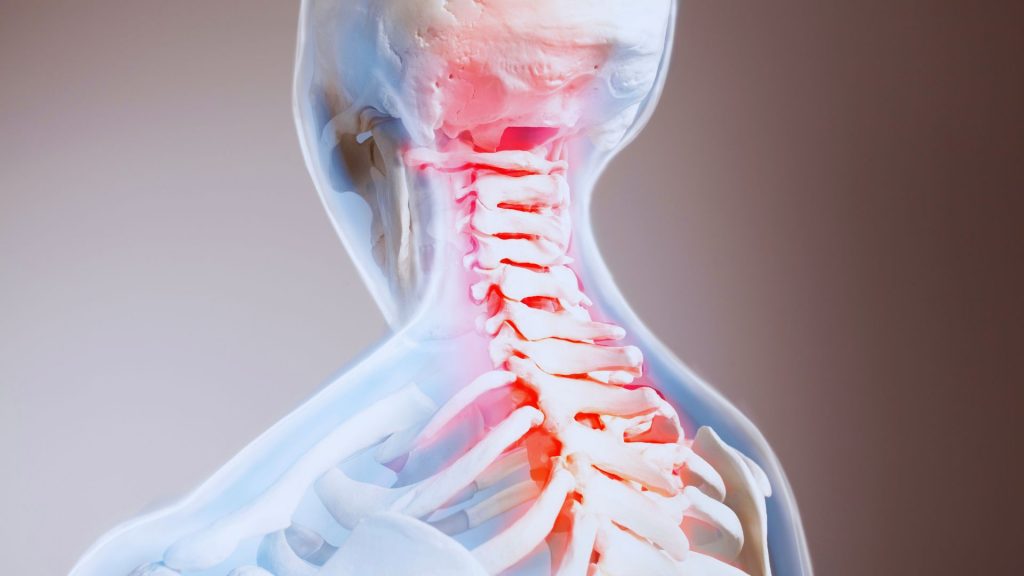
The sharp, stabbing sensation behind your ears isn’t just “one of those things” you have to put up with. Recent research highlights that headaches in this specific location often stem from nerve irritation or muscular tension in the upper neck region. Treatment for vestibular migraine is similar to that for other migraine headaches, but the location behind your ears suggests something quite different may be at play.
Understanding the anatomy helps enormously here. The area behind your ears houses several important structures: the occipital nerves that travel from your upper neck to your scalp, the temporomandibular joint (TMJ), and various muscle groups that connect your neck to your skull. When any of these become irritated or inflamed, you’ll feel it as pain radiating behind one or both ears.
What’s particularly interesting is that a few conditions can cause this, such as middle ear infections and migraine, but increasingly, healthcare professionals are recognising that musculoskeletal causes – those involving your bones, joints, and muscles – are far more common than initially thought.
Occipital Neuralgia: The Most Overlooked Culprit
Occipital neuralgia is a distinct type of headache characterised by piercing, throbbing, or electric-shock-like chronic pain in the upper neck, back of the head, and behind the ears, usually on one side of the head. This condition is becoming increasingly recognised by our Brighton chiropractors as a primary cause of that mysterious pain behind your ears.
The hallmark of occipital neuralgia is its distinctive quality – patients often describe it as feeling like an electric shock or a sharp stabbing sensation that comes and goes. Symptoms of occipital neuralgia include continuous aching, burning and throbbing, with intermittent shocking or shooting pain that generally starts at the base of the head and goes to the scalp on one or both sides of the head.
What causes this nerve irritation? Recent clinical observations suggest that joint dysfunction in the upper cervical spine – particularly the atlas (C1) and axis (C2) vertebrae – can place pressure on the greater and lesser occipital nerves. Occipital neuralgia is one of the fastest-responding conditions treated by chiropractors. This is because the root cause—misalignment in the upper neck can be addressed directly through specialised chiropractic techniques.
TMJ Disorders: When Your Jaw Affects Your Head
The temporomandibular joint, where your jaw connects to your skull, sits remarkably close to your ear canal. People with TMJ disorder symptoms frequently experience jaw popping, facial and jaw pain, difficulty opening or closing their mouth, headaches (including migraines), tinnitus and earaches.
This connection explains why so many people experience ear pain alongside their headaches. The trigeminal nerve, which supplies sensation to much of your face and jaw, has branches that extend near the ear region. When your TMJ becomes inflamed or dysfunctional, it can refer pain to the area behind your ears, creating that characteristic throbbing sensation.
Interestingly, TMJ disorders often develop secondary to neck problems. Poor posture, particularly the forward head position so common in our digital age, places additional strain on both your neck and jaw muscles, creating a cascade of tension that manifests as pain behind your ears.
How Brighton Chiropractors Diagnose Ear-Area Headaches
When you visit a chiropractor here at Sundial Brighton for headaches behind your ears, expect a thorough examination that goes well beyond the painful area itself. Modern chiropractic diagnosis involves assessing your entire kinetic chain – from your shoulders up to your skull – to identify the root cause of your symptoms.
Potential Treatments – these are all options.
- Physiotherapy,
- Chiropractic adjustments
- Massage therapy
- Stretching exercises
- Over-the-counter pain relievers
- Hot/cold therapy
But the key lies in accurate diagnosis first.
Your chiropractor will assess your cervical spine mobility, check for muscle trigger points, evaluate your posture and may perform specific orthopaedic tests to differentiate between occipital neuralgia, TMJ dysfunction and other potential causes.
Advanced diagnostic techniques might include motion palpation to identify restricted joint movement, and postural analysis.
Chiropractic Treatment Options in Brighton
Upper cervical chiropractic care focuses on gentle, precise adjustments to correct dysfunction in the atlas and axis vertebrae. These adjustments alleviate pressure on the occipital nerves and support proper nervous system function. Brighton chiropractors utilise various techniques depending on your specific presentation and comfort level.
For occipital neuralgia, specialised upper cervical techniques have shown remarkable success. We use adjustment techniques , along with manual traction and active strengthening exercises, to correct the joint dysfunction in the upper cervical spine causing the inflammation that leads to occipital neuralgia.
Modern chiropractic care isn’t just about adjustments, though. Our Brighton chiropractors might incorporate soft tissue techniques like trigger point therapy, fascial release or instrument-assisted soft tissue mobilisation. We also integrate rehabilitation exercises designed to strengthen your deep neck flexors and improve your postural endurance – crucial for preventing future episodes.
When to Seek Help from a Chiropractor in Brighton
Don’t suffer in silence with recurring headaches behind your ears. While occasional discomfort might be manageable, certain red flags warrant immediate professional attention. Seek help if your headaches are becoming more frequent, if the pain is severe enough to disrupt your daily activities, or if you’re experiencing additional neurological symptoms like numbness, tingling, or visual disturbances.
Early intervention often leads to better outcomes. Many Brighton residents find that addressing their neck-related headaches promptly prevents the development of chronic pain patterns. Occipital neuralgia arises when the occipital nerves, running from your upper neck become irritated, and this irritation often responds well to conservative chiropractic care when caught early.
Remember, headaches behind your ears are rarely “just something you have to live with.” With proper assessment and treatment from a qualified chiropractor in Brighton, most people experience significant improvement in both the frequency and intensity of their symptoms, often avoiding the need for long-term medication or more invasive interventions.
About Matthew Bennett, Chiropractor Brighton
Matthew Bennett is the founder and principal chiropractor at Sundial Clinics Brighton, established in 1991. With over 35 years of clinical experience, Matthew qualified from the Anglo-European College of Chiropractic in 1987 and served as President of the British Chiropractic Association for four years. As a Fellow of the Royal College of Chiropractors and former team chiropractor for Brighton and Hove Albion FC and the British Alpine Ski Team, Matthew combines evidence-based chiropractic treatment with sports performance expertise. His authority in musculoskeletal health has been recognised through national media appearances, expert witness roles and contributions to professional publications. Matthew’s commitment to clinical excellence ensures patients receive the most effective chiropractic care in Brighton.
Frequently Asked Questions (FAQ)
Q1: What causes headaches behind the ears?
Headaches behind the ears are often caused by irritation of the occipital nerves, muscle tension in the neck, or issues with the temporomandibular joint (TMJ). Other causes can include ear infections or migraines, but musculoskeletal problems are one of the most common triggers.
Q2: Can a chiropractor in Brighton help with headaches behind the ears?
Yes. Our Chiropractors in Brighton frequently treat headaches behind the ears by addressing underlying issues such as neck misalignments, posture problems, or TMJ dysfunction. Gentle chiropractic adjustments, soft tissue techniques, and rehabilitation exercises can reduce nerve irritation and relieve pain.
Q3: What is occipital neuralgia and how is it treated?
Occipital neuralgia is a type of headache that causes stabbing or electric shock-like pain in the upper neck, back of the head, and behind the ears. Brighton chiropractors often treat occipital neuralgia using upper cervical chiropractic techniques that correct misalignments in the atlas (C1) and axis (C2) vertebrae, relieving pressure on the occipital nerves.
Q4: How does TMJ disorder cause pain behind the ears?
The temporomandibular joint (TMJ) is located near the ear canal. When the TMJ becomes inflamed or dysfunctional, it can refer pain to the area behind the ears. TMJ disorders are commonly linked to headaches, jaw pain, tinnitus, and even posture problems.
Q5: When should I see a chiropractor in Brighton for ear-area headaches?
You should seek professional help if your headaches are frequent, severe, or affecting daily activities. Warning signs include numbness, tingling, visual disturbances, or worsening pain. Early chiropractic care often prevents headaches behind the ears from becoming chronic.
Q6: What chiropractic treatments are available in Brighton for headaches behind the ears?
Brighton chiropractors may use a combination of upper cervical adjustments, occipital techniques, manual traction, trigger point therapy, fascial release, and rehabilitation exercises. These treatments aim to restore proper alignment, reduce nerve irritation, and improve posture to prevent future headaches.