
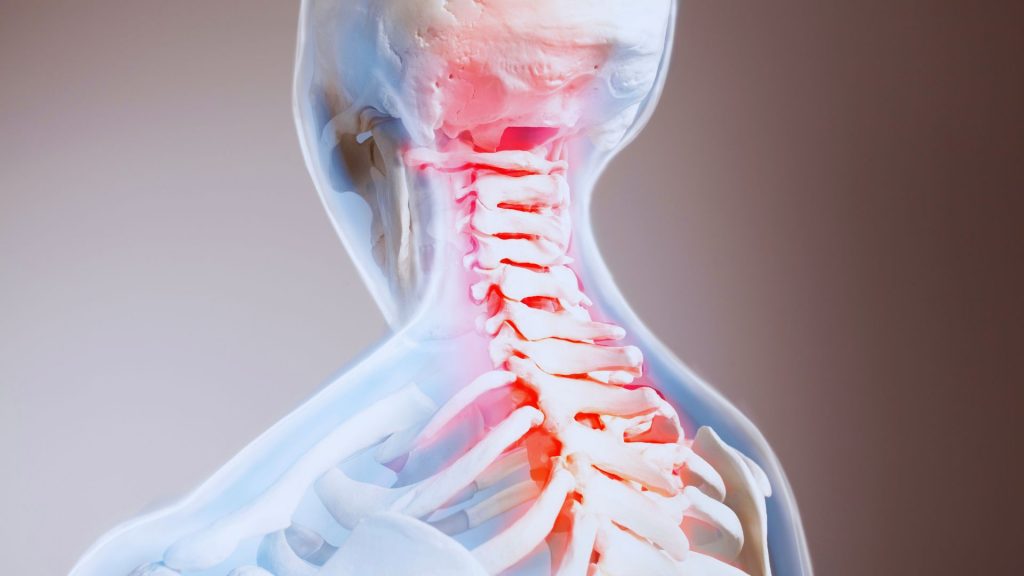
If you’ve noticed that your headaches always seem to start at the base of your skull or that they arrive after a long day at your desk, the train back from London or an afternoon in the garden, you’re not alone.
Neck-related headaches are one of the most common, and most frequently misunderstood, complaints we see at Sundial Clinics in Brighton. Many people put up with them for months, assuming it’s just tension or stress and reach for paracetamol without ever questioning whether the source of their pain might not be in their head at all.
This guide explains what’s really going on, what causes it, what you can do yourself and when it makes sense to get a proper assessment. We’ll also be clear about when you should see your GP instead because not all headaches are the same.
What Is a Cervicogenic Headache?
The word “cervicogenic” simply means originating from the cervical spine, the part of your spine that runs through your neck. It’s not a term most people have heard, but it describes something many people have experienced.
So where does the pain actually come from?
Your neck is a complex structure. It contains seven vertebrae, multiple joints, discs, muscles and a network of nerves, all packed into a relatively small space and asked to support the weight of your head all day long. When something in that system becomes strained, compressed, or irritated, it can refer pain upwards into the head.
This happens because the nerves in the upper cervical spine share pathways with nerves that serve the head and face. When these structures are under stress, the brain can misinterpret the signals, perceiving pain as originating in the head even though the source is in the neck.
A cervicogenic headache typically:
- Starts at the back of the head or base of the skull
- Affects one side of the head more than the other
- May spread towards the forehead, temple or behind one eye
- Comes alongside a stiff or aching neck
- Gets worse when holding a fixed position, like driving, looking at a screen or reading
- Doesn’t throb the way a classic migraine does
- Responds poorly, or only temporarily, to standard pain relief
- Usually eases off if you lie down
If several of those points sound familiar, your neck may be playing a bigger role in your headaches than you’ve realised.
What Causes Headaches to Come From the Neck?
There’s rarely a single dramatic cause. Cervicogenic headaches tend to build gradually, as the result of everyday habits, postures and activities that place sustained or repeated strain on the cervical spine.
Everyday causes we see at Sundial
Prolonged desk or screen use is probably the most common cause we see in Brighton right now. Working from home, which many people across Hove, Kemptown and beyond have been doing routinely for several years, often means longer hours at a screen, in a less ergonomically controlled environment than a traditional office. When your head drifts forward in front of your shoulders (sometimes called “tech neck” or “forward head posture”), the effective weight your neck muscles must support increases significantly. Over time, this can strain the joints and muscles of the upper cervical spine.
Sleeping position and pillow support are frequently overlooked. If your pillow is too high, too flat or too firm, it can hold your neck in a mildly strained position for hours at a time. Sleeping on your front is a problem too because your neck is twisted. Many patients tell us their headaches are worse first thing in the morning and they wake up alongside a stiff neck. This is a classic pattern.
Driving, particularly long drives or regular commuting, involves sustained forward-head posture and can also mean your head and neck absorb a lot of vibration and minor jolts over time. The position of your car seat and headrest makes a real difference. Even train journeys can be a problem if you spend time looking down at your phone.
Physical activity can be both protective and, in some cases, a contributing factor. We see neck-related headaches in cyclists who spend long rides in an extended neck position, golfers whose swing mechanics place asymmetric load on the cervical spine, and swimmers who habitually breathe to one side. Carrying a heavy rucksack on a South Downs walk or holding your phone to one ear during long calls can have a similar effect.
Gardening, particularly repetitive overhead work, sustained bending, or turning to one side, is something that comes up regularly among our patients aged 45 and over. The neck is not always the first thing people think of when they’ve spent a weekend in the garden, but the connection is often there.
Previous injuries are worth considering. An old whiplash injury, a sports knock or a historical neck strain can leave residual stiffness in the cervical joints that gradually becomes a source of referred head pain, sometimes years after the original incident has been forgotten about.
Stress and jaw tension can compound all of the above. When we’re stressed, we tend to hold tension in our shoulders, neck, and jaw. Bite problems can also lead to muscle spasm in the neck joints. This sustained muscular tension can irritate the joints and nerves of the upper cervical spine and contribute to headache patterns.
How Do You Know If Your Headache Is Coming From Your Neck?
A proper diagnosis always requires an assessment by an expert chiropractor or physiotherapist. But there are some patterns that can help you work out whether it’s worth looking in that direction.
Signs that your headache may have a cervicogenic component
- It starts at the base of your skull or the back of your head, rather than across your forehead or temples
- It tends to affect one side of your head more than the other
- You notice your neck feels stiff, tight or sore at the same time
- The headache comes on during or after sustained postures, screen work, driving, reading, gardening
- Turning your head, or holding it in a particular position, seems to bring it on or make it worse
- Standard pain relief (paracetamol, ibuprofen) offers limited or short-lived relief
- You’ve had a previous neck injury or you know your posture isn’t ideal
- The headache is worse in the morning and eases as the day goes on
Signs it may be something else
Headaches are common, and most are not serious but it’s important to be clear that not all headaches come from the neck. Migraines, cluster headaches and headaches related to blood pressure or other medical conditions all have different patterns and require different approaches.
If your headaches are accompanied by visual disturbances (flashing lights, blind spots), nausea or vomiting, a sensation of pressure behind the eyes, or extreme sensitivity to light and sound, they may be migrainous in nature rather than cervicogenic and that changes the picture considerably.
Red Flags: When to Seek Urgent Medical Advice
Most headaches are benign but some are not. It’s important to know when to bypass a chiropractic or physio appointment entirely and seek medical attention promptly.
Contact your GP or call 111 if your headache:
- Comes on suddenly and with extreme severity (sometimes described as a “thunderclap” headache or “the worst headache of my life”)
- Follows a head injury, even a seemingly minor one
- Is accompanied by a stiff neck, high temperature or sensitivity to light as these can be signs of meningitis
- Comes with weakness, numbness or tingling in your arms or legs
- Causes difficulty speaking, understanding speech or visual disturbances
- Is progressively worsening over several days or weeks without explanation
- Wakes you repeatedly from sleep
- Occurs in someone with a history of cancer, a weakened immune system, or HIV
- Is different in character from any headache you’ve had before and you’re concerned
None of these are presentations we would treat at a chiropractic or physiotherapy clinic. If any of these apply to you, please seek medical advice rather than booking an appointment with us. Our job is always to do what’s right for you and sometimes that means saying clearly: this needs a different kind of assessment first.
What Can You Do Yourself?
If your headaches seem to be postural or activity-related, there are some straightforward things worth trying before or alongside seeking treatment.
Simple steps that may help
Check your screen setup. The top of your monitor should be roughly at eye level, with the screen about arm’s length away. Laptops used without a separate screen and keyboard tend to encourage a downward head position so a laptop stand (we sell an adjustable light stand at the clinic), external keyboard and mouse can make a significant difference.
Look at your pillow. It should support the natural curve of your neck, not push your head too far forward or let it drop sideways. If you’re waking with a stiff neck and headache, your pillow is worth investigating. As a rough guide, it should fill the gap between your neck and the mattress.
Move more regularly. Sitting still for long periods, even in a well-set-up chair, allows the neck muscles and joints to stiffen. Short movement breaks every 30 to 45 minutes, even just standing and rolling your shoulders gently, can significantly reduce the cumulative strain on your cervical spine.
Try some gentle neck stretches. Slow, controlled movements can help. Ear-to-shoulder stretches (without lifting the shoulder), gentle chin tucks (drawing the chin back and slightly down), and slow side-to-side rotation are all worth trying. Avoid aggressive rolling or forcing movement: gentleness is the key here. Here’s a video to guide you through some stretches.
Stay hydrated. Dehydration is a well-established headache trigger that’s easy to overlook, particularly if you’re focused on a screen and not thinking about drinking regularly.
Think about your sleeping position. Sleeping on your front puts significant rotation strain on the neck for hours at a time. Side or back sleeping is generally kinder to the cervical spine. We wrote an article previously about the best sleeping positions, which you can read here.
Get outside when you can. This isn’t just general wellness advice. Light movement, whether that’s a walk along the seafront, up on the Downs or around the park, helps reduce the muscular tension that builds from sustained sitting. It also has a meaningful effect on stress, which tends to amplify pain.
If you’ve tried several of these steps and your headaches continue to come back, or if they’re starting to affect your sleep, your work or the activities you enjoy, it may be worth having a proper assessment.
How Can a Chiropractor or Physiotherapist Help?
The most important word here is assessment. Anyone who offers you treatment without first taking the time to understand your history, examine your neck and consider other possible causes isn’t doing their job properly.
At Sundial Clinics, we always start with a thorough consultation. This gives us a clear picture of what’s going on before we suggest anything.
What a good assessment involves
- A detailed conversation about your symptoms: when they started, what makes them better or worse and how they affect your daily life
- Your medical history, including any previous injuries or relevant health conditions
- Examination of your neck movement, posture and joint function
- Careful consideration of whether the pattern fits a cervicogenic cause or whether it suggests something that needs a different approach
What treatment might look like
If the assessment suggests that your headaches are cervicogenic in nature, there are several evidence-supported approaches we may draw on and the right one for you depends on your specific situation. Here at Sundial Clinics in Brighton, we have a range of options to help.
Chiropractic care involves assessment and treatment of the cervical and upper thoracic spine using joint manipulation, mobilisation and soft tissue techniques. The aim is to restore normal joint movement, reduce mechanical irritation and relieve the muscular tension contributing to referred head pain. There is reasonable evidence supporting spinal manipulation for cervicogenic headaches.
Physiotherapy and Chiropractic treatment both focus on identifying and addressing the postural, muscular and movement factors that may be perpetuating your symptoms. Your treatment plan might include specific exercises to strengthen the muscles that support your neck, hands-on soft tissue work and practical guidance on how to sit, move and work in ways that reduce the load on your cervical spine.
Massage therapy can play a valuable supporting role, particularly for patients whose neck and shoulder muscles have become chronically tight. Releasing sustained muscle tension can provide meaningful relief and support the longer-term work of chiropractic or physiotherapy.
Exercise and movement guidance: whatever form of treatment you have, you’ll leave with a clear understanding of what you can do between sessions to support your recovery and reduce the risk of headaches returning.
Referral, when appropriate: if during your assessment it becomes clear that your headaches are unlikely to be cervicogenic in nature or if there are features that suggest further investigation is warranted, we’ll tell you clearly and help you understand the right next step. We can support onward referral to your GP or a specialist where needed.
We won’t suggest treatment that isn’t appropriate for your situation. And we won’t keep you coming in longer than is genuinely useful.
The evidence base for manual therapy in cervicogenic headaches has grown considerably in recent years. A 2022 meta-analysis of 20 clinical trials found meaningful reductions in headache frequency and intensity following manual therapy and spinal manipulation. A 2026 clinical practice guideline, developed by an international expert panel, recommends spinal manipulation as a primary treatment for cervicogenic headaches, provided a thorough assessment is carried out first. A broader review of 50 years of clinical guidelines, published in 2024, found that spinal manipulative therapy for neck pain is now recommended across every relevant guideline.
Is This the Right Step for Me?
If you’ve been having recurring headaches for several weeks or more, and you’ve noticed a pattern that connects them to your neck, your posture, or your daily activities, a professional assessment is a sensible and proportionate response. It’s not an overreaction. It’s exactly the right thing to do.
The kind of patients who tend to benefit most from an assessment at a clinic like ours are:
- Adults with recurring headaches that come alongside neck stiffness or reduced neck movement
- Those whose headaches follow periods of sustained screen use, driving, or physical activity
- People who’ve tried standard pain relief without finding lasting relief
- Anyone with a history of neck injury who is now experiencing headaches
- People who want to understand what’s causing their symptoms before deciding on treatment
If that sounds like you, we’d be happy to help. Our team in Brighton includes chiropractors, physiotherapists and massage therapists, and we’ll work out together which approach or combination of approaches is most likely to help you.
You can book an initial assessment online or call us to speak to a member of the team. There’s no obligation, and if at any point we think your situation is better addressed elsewhere, we’ll tell you.
Frequently Asked Questions
Can a chiropractor really help with headaches?
For headaches with a mechanical cause rooted in the neck (cervicogenic headaches) there is evidence for chiropractic treatment, including spinal manipulation, helping. However, not all headaches are cervicogenic, and treatment should only follow a proper assessment. At Sundial, we assess first, always.
How do I know if my headache is coming from my neck?
Common signs include pain that starts at the base of the skull, one-sided head pain and symptoms that arrive or worsen with sustained postures like screen use or driving. A trained clinician is the most reliable way to establish this but the patterns described in this article can help you decide whether it’s worth getting checked.
Should I see a chiropractor or a physiotherapist for neck-related headaches?
Both can be effective. The best choice depends on your specific situation. At Sundial, we have both chiropractors and physiotherapists, so we can match you with the right clinician or draw on both disciplines if that’s what serves you best. Massage therapy can also play a useful supporting role.
Is chiropractic treatment safe for neck pain and headaches?
Chiropractic care for neck-related conditions is considered safe when carried out by a qualified, registered practitioner following a thorough assessment. All our chiropractors are registered with the General Chiropractic Council (GCC), and our physiotherapists with the Health and Care Professions Council (HCPC). We assess carefully before recommending any treatment.
How many sessions might I need?
This varies depending on how long you’ve had symptoms, how severe they are and what’s causing them. At your initial assessment, we’ll give you a realistic and honest picture of what to expect, including an approximate number of sessions and how we’ll measure progress.
My headaches have been going on for months. Is it too late to get help?
Not at all. Cervicogenic headaches can become chronic, but they often respond well to appropriate treatment even after a prolonged period. The important thing is getting an accurate assessment so that care is targeted correctly.
When should I go to my GP instead?
Please see your GP or call 111 if your headache is sudden and very severe, if it comes with a stiff neck and high temperature, if it’s accompanied by neurological symptoms (weakness, numbness, speech or vision changes), or if it follows a head injury. These are not presentations we would treat at a chiropractic or physiotherapy clinic.
Where are you based, and how do I book?
Sundial Clinics has two locations in Brighton: in the city centre near the station and in Kemptown. You can book an initial assessment online or call us directly. We’re happy to answer any questions before you book if that would help.
A Final Word
Headaches that keep coming back deserve more than another packet of paracetamol and the hope that they’ll pass. If yours might be rooted in your neck, whether from hours at a screen, years of postural habits, or the cumulative effect of an active life, it’s worth understanding properly.
We’re not going to promise that chiropractic or physiotherapy is the answer for everyone. What we will promise is that you’ll leave your first appointment with a much clearer understanding of what’s going on — and a plan that’s right for your situation.
Our team at Sundial Clinics in Brighton is here whenever you’re ready.
Book an initial assessment here.
About Matthew Bennett, Chiropractor Brighton
Matthew Bennett is the founder and principal chiropractor at Sundial Clinics Brighton, established in 1991. With over 35 years of clinical experience, Matthew qualified from the Anglo-European College of Chiropractic in 1987 and served as President of the British Chiropractic Association for four years. As a Fellow of the Royal College of Chiropractors and former team chiropractor for Brighton and Hove Albion FC and the British Alpine Ski Team, Matthew combines evidence-based chiropractic treatment with sports performance expertise. His authority in musculoskeletal health has been recognised through national media appearances, expert witness roles and contributions to professional publications. Matthew’s commitment to clinical excellence ensures patients receive the most effective chiropractic care in Brighton.
References
Meta-Analysis of Treatment Effectiveness
A 2022 systematic review and meta-analysis published in Chiropractic & Manual Therapies, which pooled data from 20 clinical trials and nearly 1,500 patients, found that manual therapy including spinal manipulation, produced meaningful reductions in both the frequency and intensity of cervicogenic headaches, particularly in the short and medium term.
Full reference: Bini P, Hohenschurz-Schmidt D, Masullo V, Pitt D, Draper-Rodi J. The effectiveness of manual and exercise therapy on headache intensity and frequency among patients with cervicogenic headache: a systematic review and meta-analysis.
The Clinical Practice Guideline (Most Current-2026)
A 2026 clinical practice guideline published in the Journal of Integrative and Complementary Medicine, developed by an international panel of clinicians and researchers, recommends spinal manipulation as an appropriate primary treatment for cervicogenic headaches, while stressing that a proper assessment and red flag screening must always come first.
Full reference: Trager RJ, Daniels CJ, Hawk C, Taylor DN, Walters SA, Price MR, Anderson KR, Crivelli LS, Mooring SA, Staab CA, Oakley CB. Chiropractic Management of Adults with Cervicogenic or Tension-Type Headaches: Development of a Clinical Practice Guideline.
Broader Evidence Base for Spinal Manipulation (Clinical Guidelines Review)
A 2024 review of 33 clinical practice guidelines published over 50 years, published in the Journal of Clinical Medicine, found that spinal manipulative therapy is now recommended for neck pain in every guideline that addresses it and that support for its use in cervicogenic headaches has grown steadily in recent years.
Full reference: Trager RJ, Bejarano G, Perfecto R-PT, Blackwood ER, et al. Chiropractic and Spinal Manipulation: A Review of Research Trends, Evidence Gaps, and Guideline Recommendations.