
Last Updated on 6 years ago by Sundial Clinics
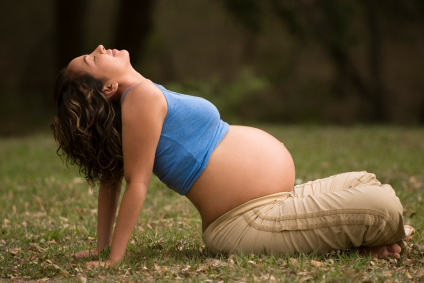 Having lower back pain or leg pain in pregnancy already? Feeling tired and sore in your spine? Wondering about causes of back pain in pregnancy? Brighton chiropractor Amanda Goring explains why.
It is estimated that up to 50% of all pregnant women suffer from some form of lower back pain during their pregnancy. So, as if you didn’t have enough to worry about with information on fluid retention causing things such as carpal tunnel syndrome and muscle cramps some of us will be thrown into the lottery of aching backs, tight hips and even leg pain symptoms. And the irritating truth is that no one has a definitive answer to what, why, who or when.
So let’s look at the ‘What’:
Largely pregnancy related back pain falls into one of three categories:-
1. Lumbar spine pain
2. Pelvic girdle pain (the notorious term which shoots dread into the heart of most pregnant women – previously known as ‘pubic symphysis dysfunction’ – not fooling any of us or being any less intimidating with its new name).
3. Muscle pains.
And the ‘Why’:
Well this is the golden question. The contenders are weight gain, muscle imbalances and hormone changes. Lets look at weight gain and muscle imbalances first.
Weight gain and muscle imbalances causing back pain in pregnancy
It doesn’t take a genius to realise that as your baby(s) grow they place a large amount of stress through your lower body. Considering that your weight gain can be around 1/4 of your total body weight and that the majority of that is distributed at the front, you can imagine how hard your back has to work to anchor you and keep you upright.
As the baby grows you tend to develop an increased curve in your lower back (known as ‘hyperlordosis’) and there is an increase in front to back movements.
In addition, once you are pregnant and galloping through the stages, the muscles in your lower body have to work harder to cope with this weight gain and shift in the centre of gravity and they can become tired faster, leading to all that aching. And if there are imbalances already from tightness in areas, this will only become worse as they are placed under more demand.
Next article: Hormone changes leading to back pain in pregnancy
References
Aldabe, D et al (2012). Pregnancy-Related Pelvic Girdle Paina nd its Relationship with relaxin
Han, I. (2010). Pregnancy and Spinal Problems. Current Opinions in Obstetrics and Gynaecology. Dec. Vol.22. No.6. pp.477-81
Kovacs, F.M. et al (2012). Prevalence and Factors Associated with Low Back Pain and Pelvic Girdle Pain During Pregnancy; A Multicentre Study Conducted in the Spanish National Health Service. Spine. Feb. No.13. [ePub ahead of print].
Kristiansson, P. et al, (1996). Back Pain During Pregnancy: a Prospective Study. Spine. Mar. Vol.21. No.6. pp.702-9.
Licciardone, J.C. et al. (2010). Osteopathic Manipulative Treatment of Back Pain and Related Symptoms During Pregnancy: A Randomised Controlled Trial. American Journal od Obstetrics and Gynaecology. Jan. Vol.202. No.1. pp.43e1 – 43e8.
Liebetrau, A et al (2012). [Is there a Correlation Between Back Pain and Stability of the Lumbar Spine in Pregnancy? A Model-Based Hypothesis]. Schmerz. Feb. 26. No.1. pp.36-45.
Lisi, A.J. (2006). Chiropractic Spinal Manipulation for Low Back Pain of Pregnancy: a Retospectie Case Series. Journal of Midwifery Women’s Health. Jan – Feb. Vol.51. No.1. pp.e7-10.
Majchrzycki, M et al, (2010). Low back Pain in Pregnant Women. Ginekol Pol. Nov. Vol.81. No.11. pp851-5.
Stuber, K.J. & Smith, D.L. (2008). Chiropractic Treatment of Pregnancy-Related Low Back Pain: a Systematic Review of the Evidence. Journal of Manipulative Physiological Therapeutics. July-Aug. Vol.31. No.6. pp.447-54.